In Mediterranean vernacular architecture, living spaces have never been strictly defined by four enclosed walls. The warm coastal climates of southern Europe—from the Costa Blanca to the Peloponnese—invite a lifestyle where terraces, pergolas, internal courtyards, and main salons merge into a single uninterrupted continuum.
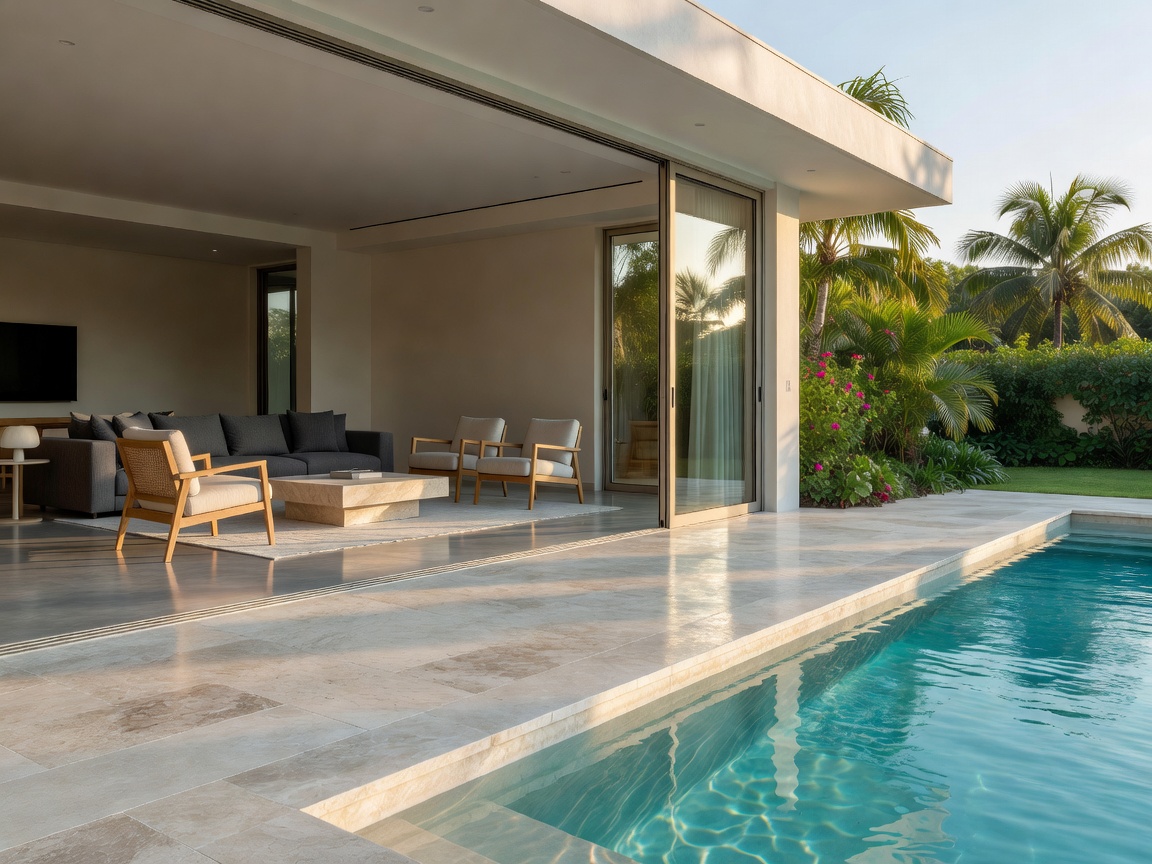
1. Concealed Pocket Glazing & Structural Cantilevers
The hallmark of the modern Mediterranean villa is the total disappearance of the building envelope during warm months. Traditional sliding doors leave at least 50% of an opening obstructed. In contrast, modern cantilevered engineering allows multi-panel glazed facades to retract entirely into hidden insulated wall pockets.
Key technical specifications required for coastal applications include:
- Flush Sub-Floor Drainage: Linear stainless steel channel drains built flush with internal and external limestone pavers, allowing zero step-down transitions while evacuating up to 150 liters/minute of torrential storm rain.
- Motorized Micro-Bearings: Heavyweight triple-laminated panes (weighing up to 600 kg per sash) equipped with whisper-quiet magnetic drive motors integrated into home automation systems.
- Low-Iron Solar Control Glass: Coatings that reduce ultraviolet heat gain (g-value < 0.32) without imparting a greenish tint, preserving natural coastal light and true Aegean blue water reflections.
2. The Bioclimatic Courtyard (Patio Andaluz Reimagined)
The internal open-air atrium remains one of the greatest inventions of Mediterranean climate engineering. By enclosing a central courtyard within thick limestone or rammed earth walls, cool nighttime air is captured and retained.
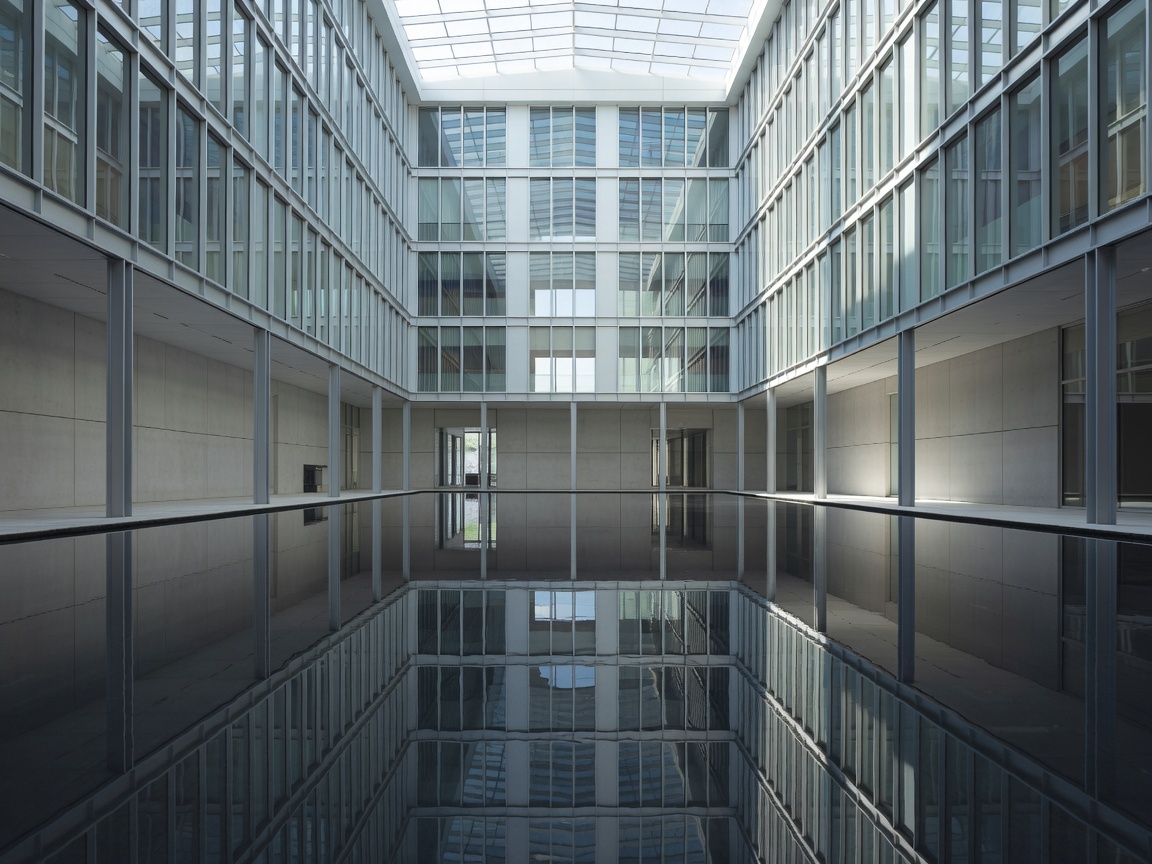
During the peak midday heat, thermal buoyancy induces a natural stack effect: warm air escapes upward through the open roof, drawing cool, shaded air through ground-floor living quarters. Incorporating reflective water rills and ancient olive trees provides evaporative cooling, lowering ambient temperatures inside the home by 4°C to 7°C without air conditioning.
3. Al Fresco Culinary Architecture
Contemporary outdoor kitchens are no longer temporary barbecue carts; they are fully specified architectural monoliths constructed from solid Roman travertine, cast-in-place pigmented concrete, and marine-grade AISI 316 stainless steel hardware.
| Zone | Primary Material | Thermal / Weathering Spec |
|---|---|---|
| Outdoor Prep Countertops | Sintered Porcelain / Dekton | 100% UV resistant, zero thermal shock degradation |
| Pergola Louver System | Thermally Treated Accoya Timber | Class 1 durability, resistant to coastal salt corrosion |
| Terrace Floor Paving | Iberian Limestone (Honed finish) | R11 anti-slip rating, low solar absorptance index |
| Integrated Pool Plinths | Natural Terracotta Clinker | Breathable, rapid moisture evaporation, cool to the touch |
4. Transitioning Day to Night: Indirect Twilight Illumination
Lighting in modern Mediterranean design is strictly concealed. Glare-free low-voltage fixtures (2700K warm color temperature) graze stone walls and illuminate tree trunks from below, allowing the natural starry night sky and moonlight on water to dominate the spatial atmosphere.